











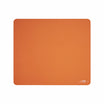









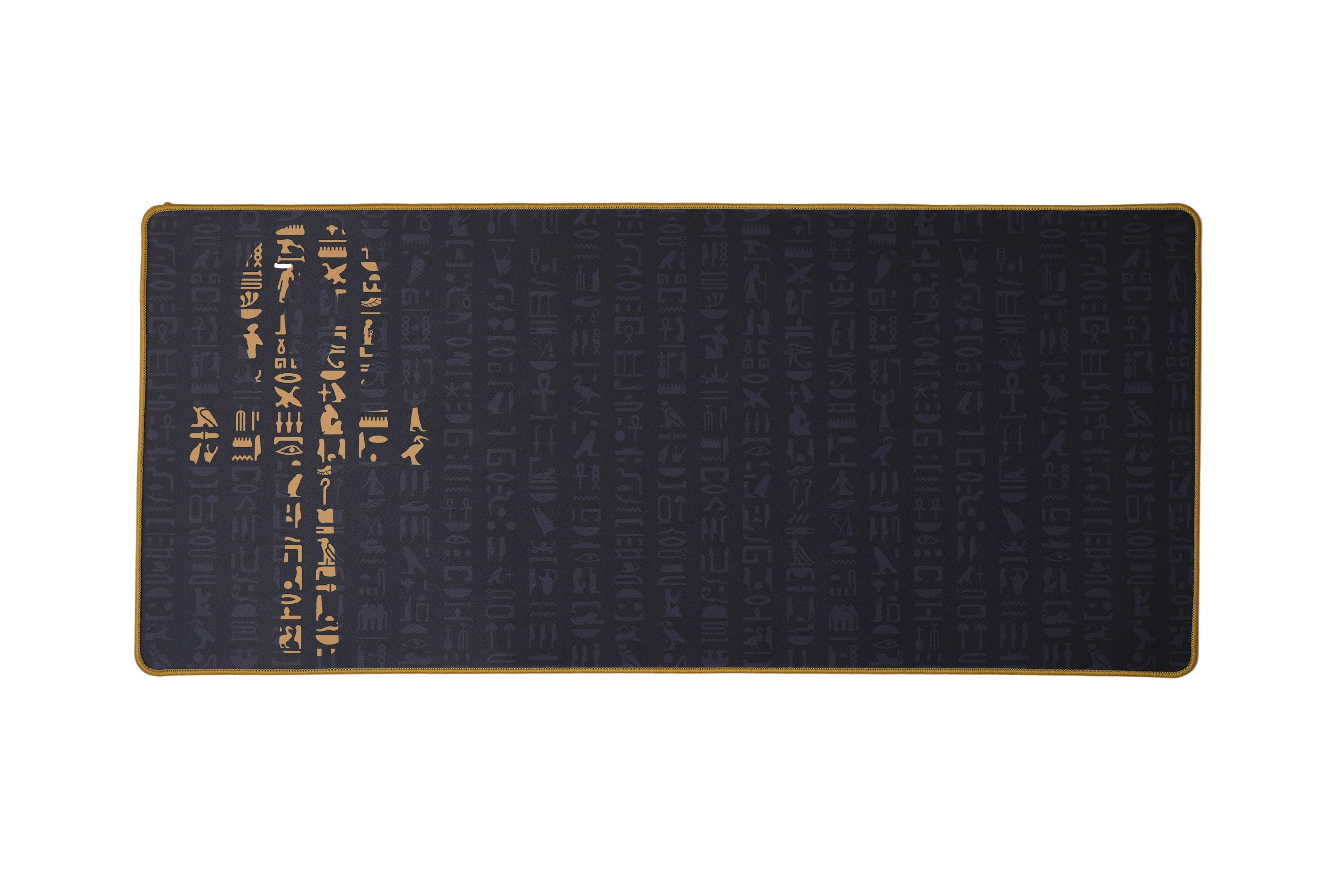
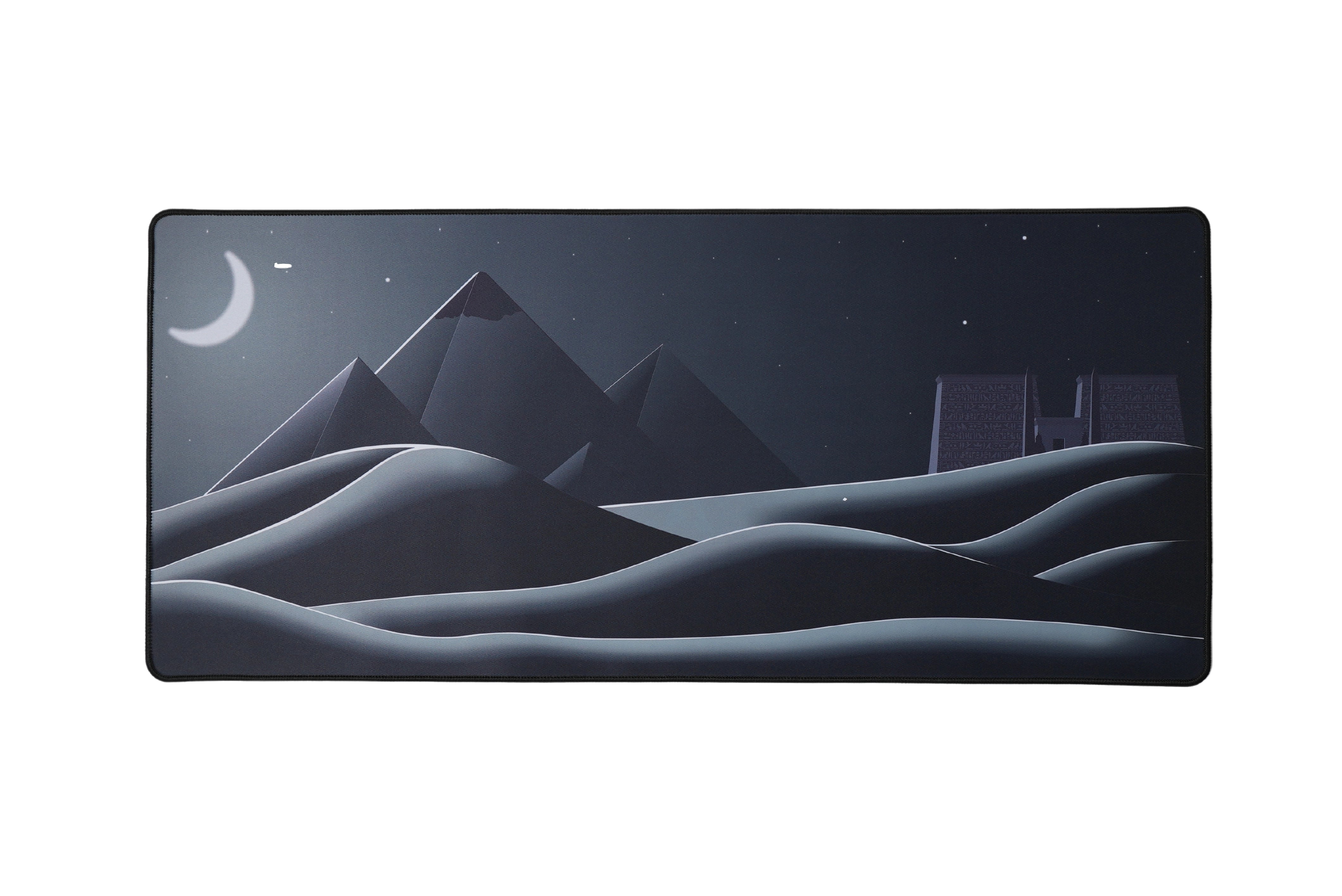
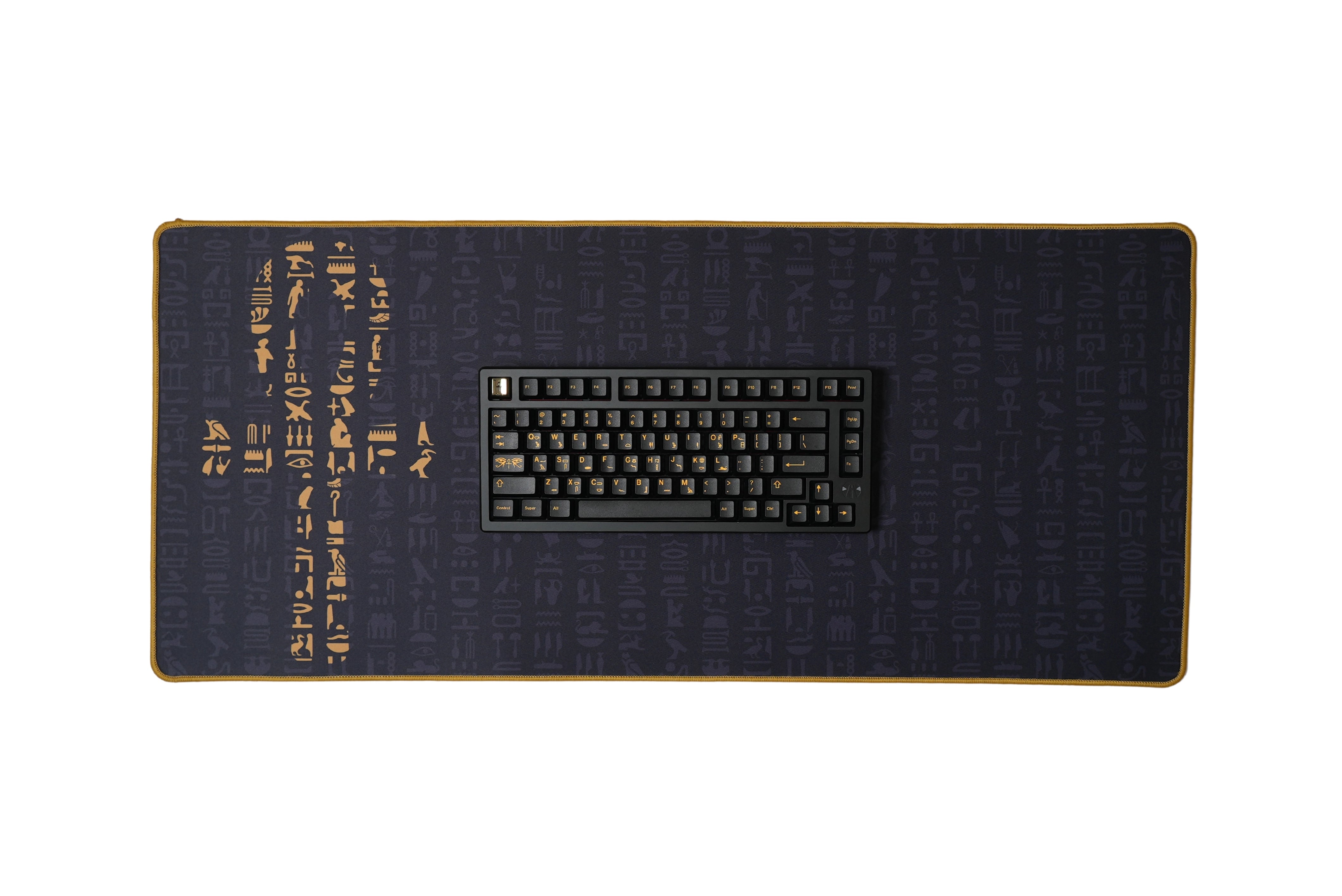
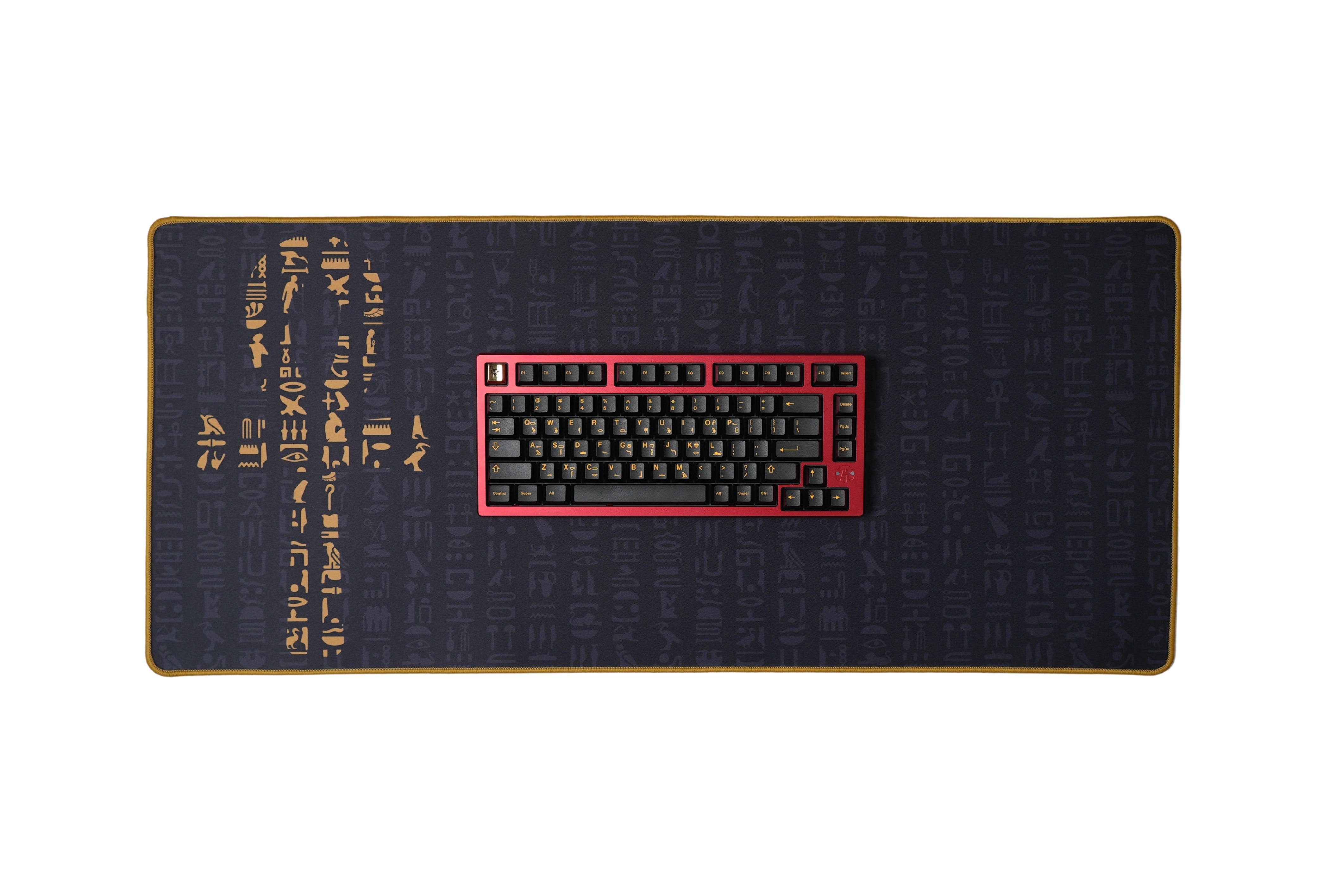
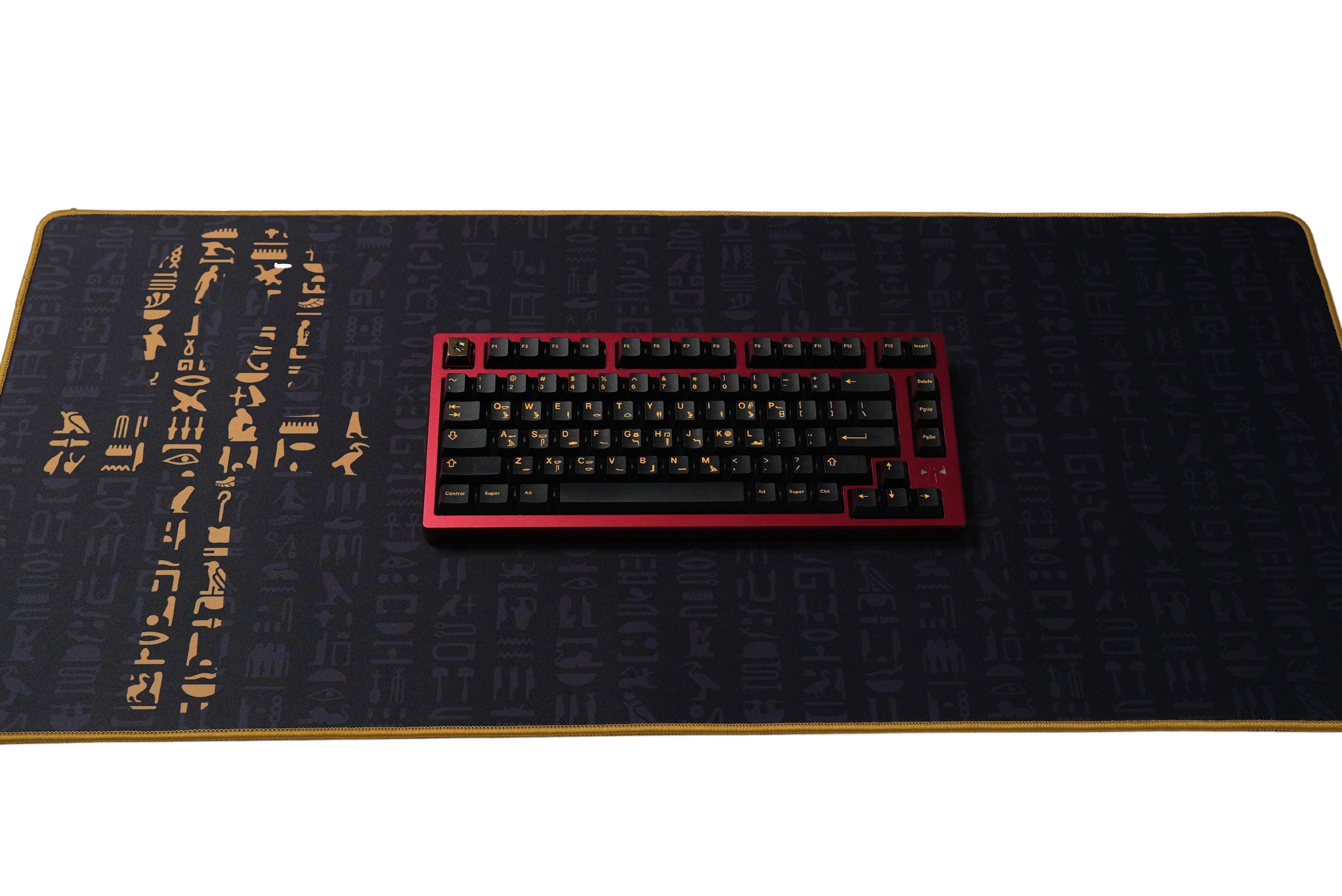
Deskmat - GMK Pharaoh

Sale price $37.00 CAD
In stock Shipping information

The date shown is our best-case estimated earliest delivery date based on your location.

It is not a guaranteed delivery date, and actual delivery timing depends on the shipping method selected at checkout, carrier performance, weather, holidays, and fulfillment timing.

Faster services such as Canada Post Xpresspost, ICS Courier, FedEx 2Day, FedEx Standard Overnight, UPS Express, UPS Standard, and UPS Expedited may align more closely with the estimate shown, while slower services such as Canada Post Expedited Parcel and ground services may arrive later.

We recommend using these services:

  • CandaPost XpressPost
  • ICS Courier
  • FedEx 2Day or Overnight
  • UPS Express

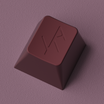
Kit Options: Ankh
Get the whole Pharaoh Collection
Visa Mastercard PayPal Google Pay Apple Pay American Express Shop Pay Diners Club Discover
The Deskhero Experience

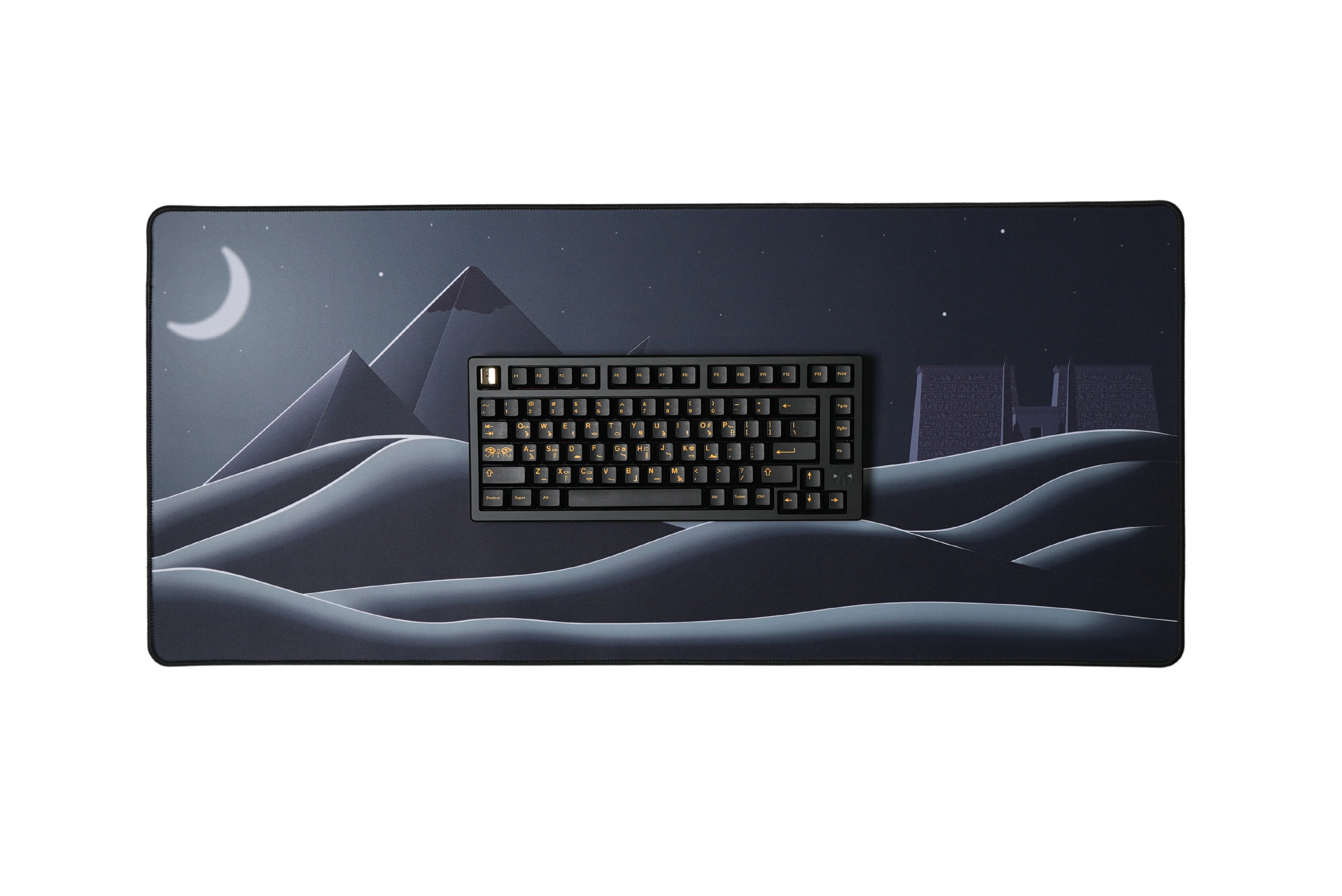
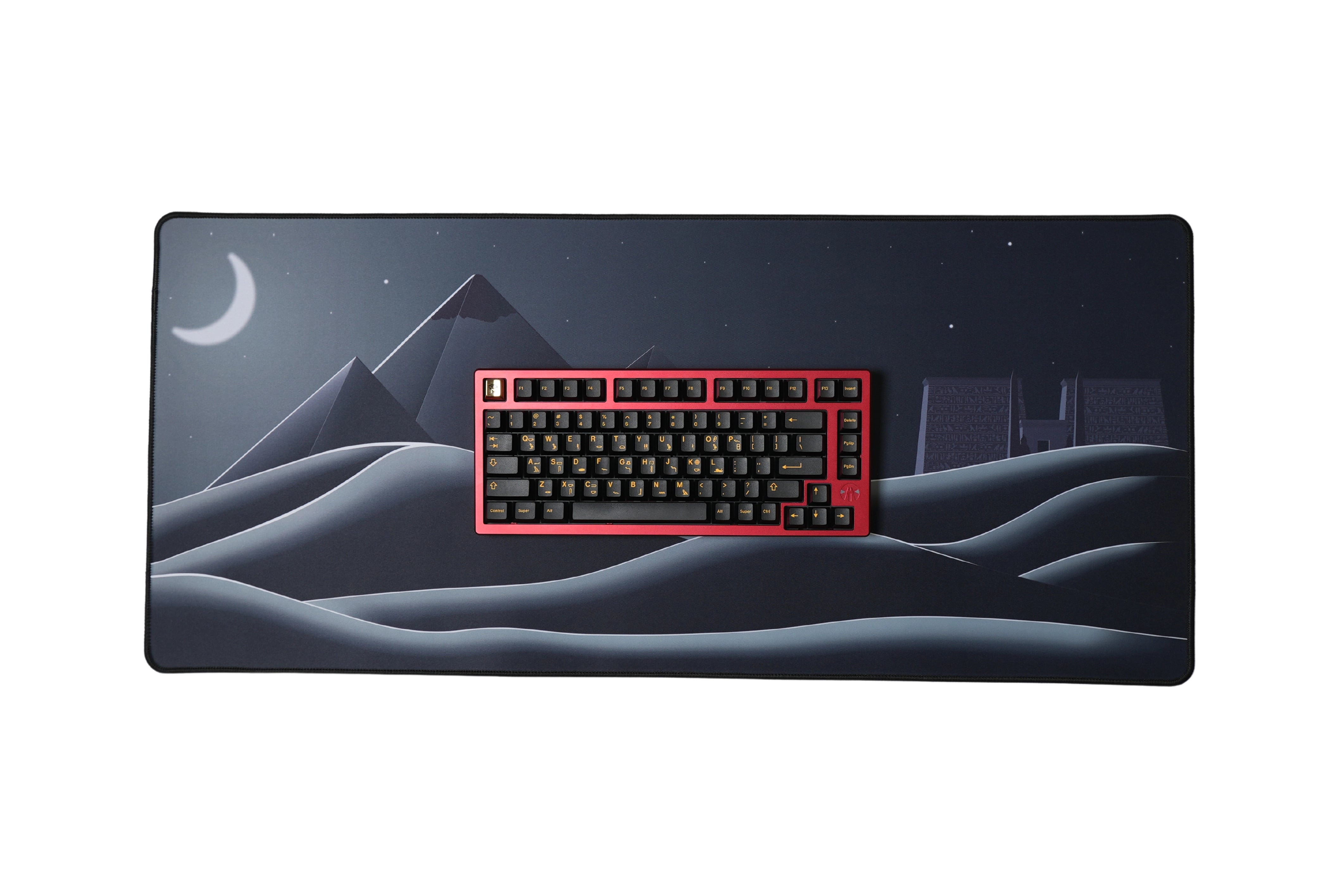
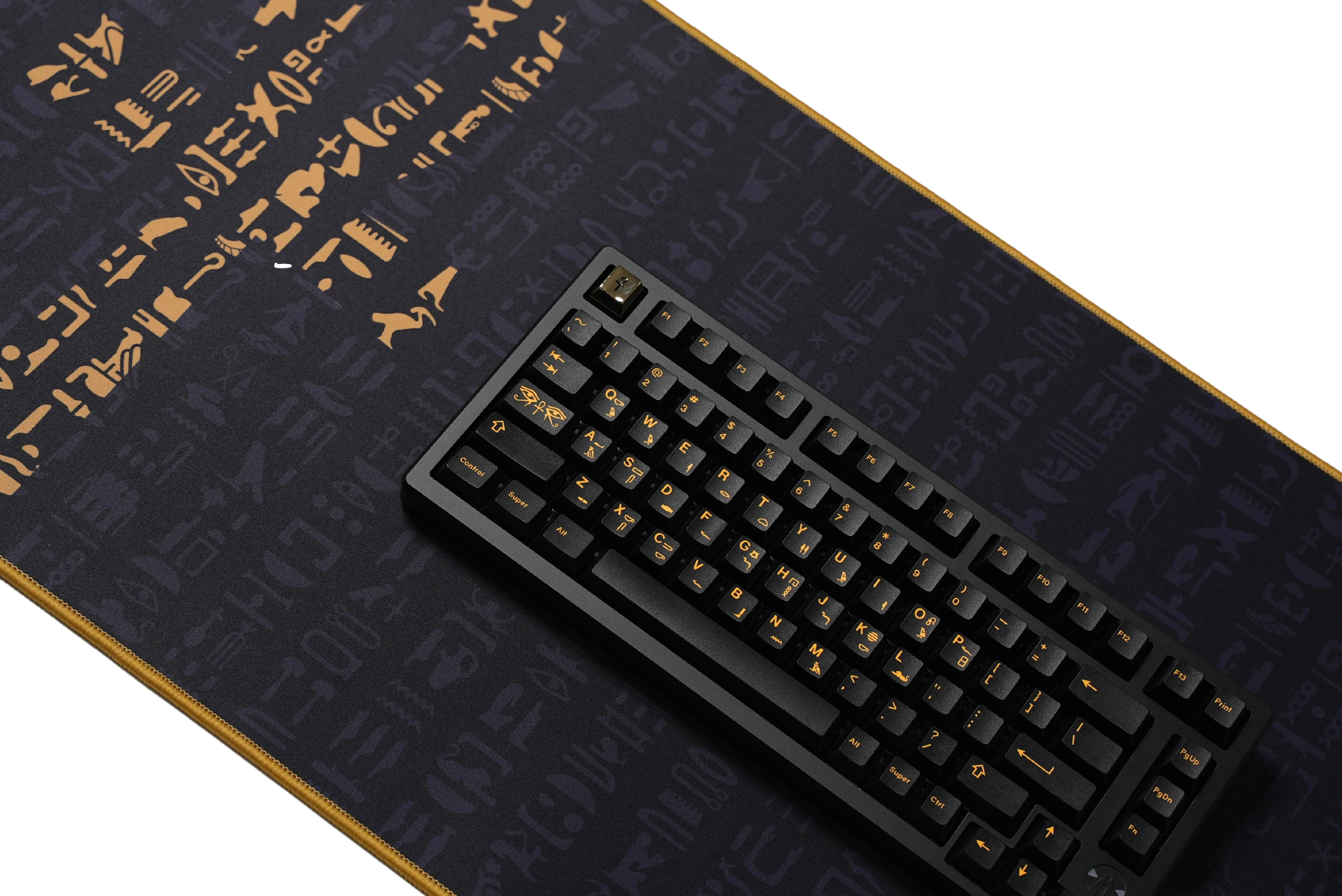
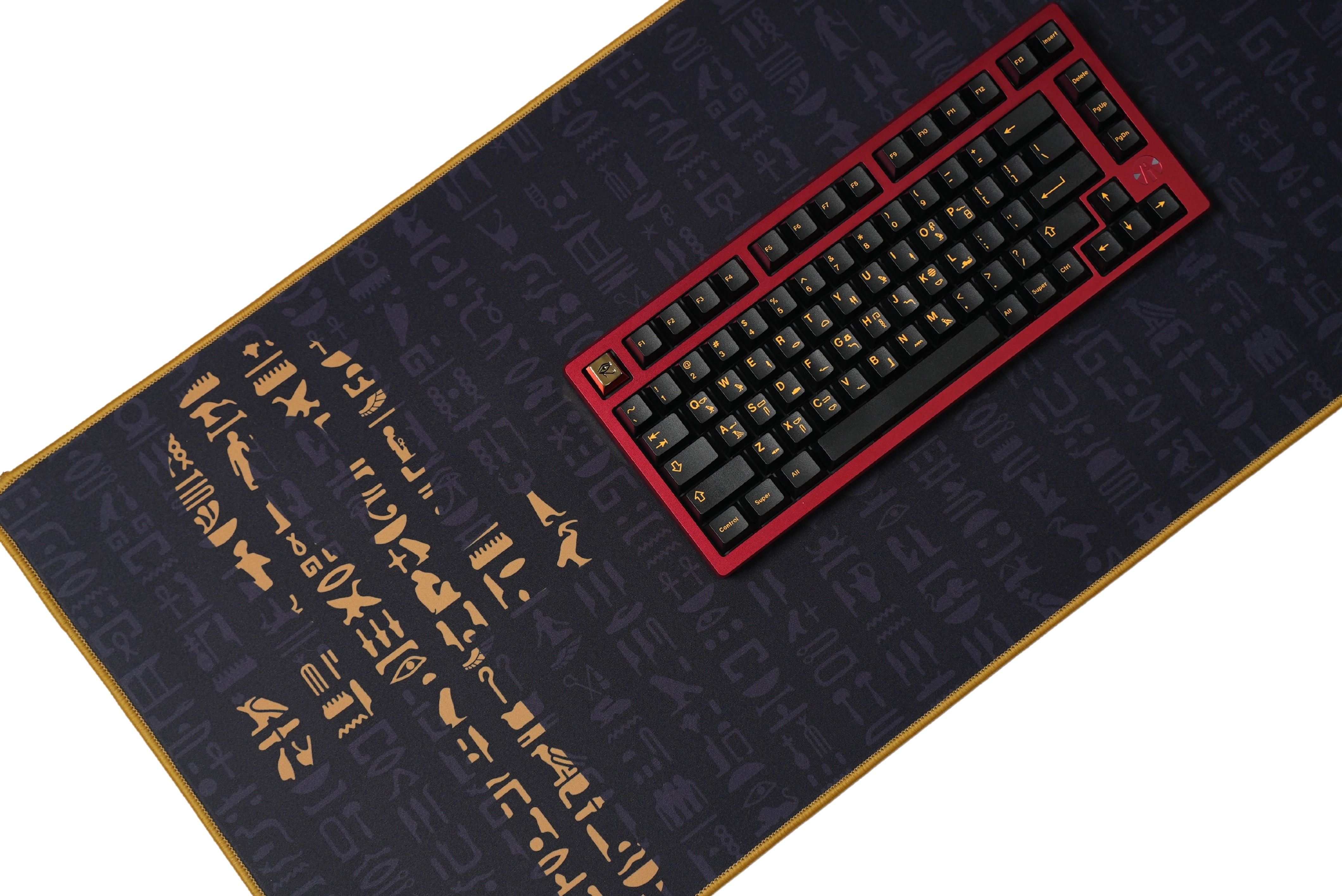
The inspiration from this set comes from the great pyramids of Giza and the ancient Egyptian Civilization. We decided to use two simple yet meaningful colors for the people of ancient Egypt.                                                                       

Black (Ancient Egyptian name "kem") : It the color of the fertile silt left by the Nile during its annual flooding giving rise to the Ancient Egyptian name for the country - "kemet" (black land). Black symbolizes fertility, new life/beginnings and resurrection.
The gods were typically represented with gold skin with an exception of Osiris who is depicted with black skin symbolizing fertility, regeneration, and the underworld where the sun was said to regenerate every night.     

It was made from carbon, ground charcoal, mixed with water and sometimes burnt animal bones.                                                                                                                                 
Yellow/Gold (Ancient Egyptian name "khenet" and "kenit"/"nebu" or "nebw") : It repesented the color of women's skin, as well as the skin of people who lived near the Mediterranean. Gold also represented the skin of the gods and the sun itself.                 
Hence it was used for anything which was considered eternal or indestructible and perfect. The ancient Egyptians made numerous statues of the gods that were either made of gold or covered with gold leaf.                                                           
They also made yellow pigments such as yellow ochre (an ore of iron) and massicot (an oxide of lead).             

The inspiration from this set comes from the great pyramids of Giza and the ancient Egyptian Civilization. We decided to use two simple yet meaningful colors for the people of ancient Egypt.                                                                       

Black (Ancient Egyptian name "kem") : It the color of the fertile silt left by the Nile during its annual flooding giving rise to the Ancient Egyptian name for the country - "kemet" (black land). Black symbolizes fertility, new life/beginnings and resurrection.
The gods were typically represented with gold skin with an exception of Osiris who is depicted with black skin symbolizing fertility, regeneration, and the underworld where the sun was said to regenerate every night.     

It was made from carbon, ground charcoal, mixed with water and sometimes burnt animal bones.                                                                                                                                 
Yellow/Gold (Ancient Egyptian name "khenet" and "kenit"/"nebu" or "nebw") : It repesented the color of women's skin, as well as the skin of people who lived near the Mediterranean. Gold also represented the skin of the gods and the sun itself.                 
Hence it was used for anything which was considered eternal or indestructible and perfect. The ancient Egyptians made numerous statues of the gods that were either made of gold or covered with gold leaf.                                                           
They also made yellow pigments such as yellow ochre (an ore of iron) and massicot (an oxide of lead).